
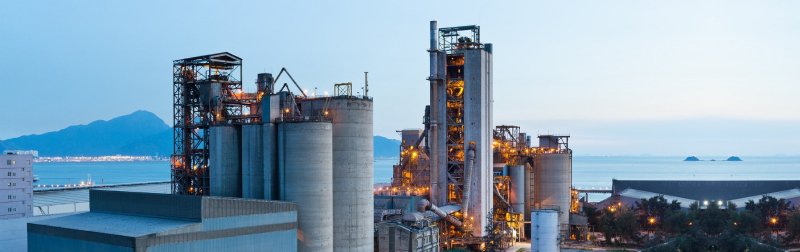
Vastu for Industrial

Bringing Your Industrial Land in Alignment to Achieve Success

Vastu Shastra is the ancient science of architecture and design known from the Indian Vedic System; it gives guidelines of how to create buildings and structures in alignment with nature forces and energies.

In an industrial and manufacturing context it seeks to create a manufacturing or production area that is comfortable, efficient, and prosperous.

The Five Elements and Their Relation

According to Vastu Shastra everything is made of five elements (Panchabhutas): Earth (Bhūmi), Water (Jala), Fire (Agni), Air (Vāyu), and Space (Ākāśa).

Here is how they represent in industry/factory situation:

  • Earth (bhūmi)for the land, and the soil, the property itself; quality of the soil, shape of the plot of land all matters. 
  • Water (jala) For the placement of the wells, tanks, bodies of water, and drainage, machine cooling, etc. 
  • Fire (agni) Financial energy, heat, hot process, hot processes, machines producing heat. 
  • Air (vāyu) ventilation, fresh air, and air flow when production is taking place. 
  • Space (ākāśa) the open space, free flow of energy, the “Brahmasthan” or middle of the building.
  • Site & Plot Selection

    Soil & Terrain

    • Yellow soil is viewed positively for business people/trader type businesses.
    • Black clay soils/water-retaining soils are not as favourable due to drainage problems.
    • Rocky land/thorns above or within the ground would suggest costly foundations, also not ideal.

    Shape of the Plot

    • Ideal: Square or rectangular with a ratio up to 1:2 (long side towards the east) is suggested.
    • Avoid: Triangular, circular, pentagonal, hexagonal, or irregular shape. In addition if these shapes are used for the plot, the rectangular part should be used for construction and if possible sell or delimit the rest.
    • A plot that extends into the North‐East is considered very favourable.

    Location & Position of Plot 

    • East facing: packed/full of solar energy → very favourable. An east-facing plot receives the first rays of the morning sun, which brings positivity, vitality, and good health. In Vastu, the east direction is ruled by the Sun (Surya), representing prosperity, fame, and growth. Homes or commercial spaces facing east are considered highly auspicious, as they attract success and positive energy throughout the day. 
    • North facing: aligned/magnetic axis → also favourable. The north direction is governed by Lord Kuber, the god of wealth, and is naturally aligned with the Earth’s magnetic field. A north-facing plot allows free flow of magnetic and cosmic energies, enhancing financial stability, opportunities, and mental clarity. Such plots are ideal for business establishments and offices. 
    • West facing: western facing has something good for trucks (entertainment etc). A west-facing plot receives sunlight in the evening, symbolizing stability and enjoyment. While it’s less preferred for residences, it can be beneficial for commercial spaces related to entertainment, logistics, or service industries. These directions are associated with long-term recognition and steady returns rather than fast growth. 
    • South facing: needs attention or remedial action (suggests growth has finished). The south direction is ruled by Yama, the god of discipline and control. South-facing plots are often seen as less favourable, as they can attract heat and create imbalance if not designed properly. However, with the right Vastu remedies such as proper entrance placement and balancing energy zones; such plots can still support stability and protection. They suggest the end of a growth cycle and the need for rejuvenation or new beginnings.
  • Building & Layout Guidelines for Industrial Site

    Boundary & Level

    • Construction should begin with a careful plotting of directions, and do not dig the South‐West first) North East → South East → South West 
    • Boundary construction: South West → South East → North West.

    Factory Shed / Building

    • The shed should ideally be in a rectangular or square shape. 


    • More windows would be best on the North‐East or Western sides. 


    • Roof slope should preferably be North or East sloping. 


    • Leaves more open area on North & East sides; less open area on South & West sides. 


    • The main gate should preferably be on the North or Eastern side. 


    Functional Zoning


    • Heavy machinery creates strong vibrations and energy. Placing them in the South or West ensures that these heavier, more stable zones absorb and ground that energy effectively. The South-West corner represents strength and stability, preventing imbalance in the rest of the building and supporting smooth operations.


    • The South-East direction is governed by the fire element (Agni). It is the ideal location for all power-related equipment such as generators, transformers, and boilers. Keeping them here ensures efficient energy flow and prevents electrical faults or overheating issues. It also enhances productivity and safety. 


    • The North-East is associated with purity and the water element. Locating wells, borewells, or water tanks in this zone helps maintain balance between the fire and water elements in the building. It invites prosperity, clarity, and smooth workflow in the industrial setup.  


    • Raw materials represent the foundation of production. Placing them in the South-West, which signifies stability and accumulation, ensures consistent availability and reduces wastage or losses. This also leaves the North and East zones open for lighter or finished goods. 


    • The North-West zone governs movement and change. Storing finished products here ensures a steady outflow of goods, faster dispatch, and timely circulation in the market. It keeps the production cycle active and prevents stock stagnation.


    • The security cabin should be placed near the entrance for easy monitoring of entry and exit points. Ideally, it should be on the right-hand side of the main gate (when facing outward), or in the North or East direction. This positioning offers clear visibility, safety, and maintains positive energy flow through the gate area.
  • Office Planning In Factory

    • CEO’s office: should be along south-west wall and raised about 15 cm higher than the rest of the office land. 


    • Sales & Marketing dept: North-West or in this direction. 


    • Accounts dept: North direction; staff should be facing north while working. 


    • Owner’s desk: approximately South-West or South towards facing East or North. 

    Guidelines for Do’s and Don’ts

    Do’s:

    • Make sure the factory area is of correct size and slope.


    • Put the main gates on East or North walls.


    • Put administrative offices in the North or East zone.


    • Put raw material storage in the East or South‐East zone.


    • Put finished goods storage in the north, west or north‐west zone.


    • Erect a temple / puja room in the North-East zone of the compound.


    • Put a maintenance shed in the South or South-West zone.


    • Put heating equipment, boiler or the like in the South‐East zone.


    • Toilets/Washrooms: South-South-West (SSW) or West-North‐West (WNW) in direction.

    Don’ts:

    • Don’t Keep the West or South side of the compound vacant (causes Vastu defect).


    • Don’t put maintenance workshops in the North-East or in the middle zone.


    • Don’t Put toilets or septic tanks in the North-East zone (forces good energy out).


    • Don’t put heavy machines in the North-East or North-West corner.


    • Don’t put overhead water tanks in the North-East zone.


    • Don’t keep clutter around the temple / puja room.


    • Don’t store raw material and finished goods in the same zone.


    • Don’t Park heavy vehicles in the North-East zone.

Benefits of Vastu for Business

By implementing Vastu for businesses, enterprises aspire to:


  • Increased business success and profitability. Vastu helps channel positive energy into the workspace, improving financial performance and attracting new opportunities. A properly planned layout enhances productivity and ensures steady business growth.


  • Improved health and wellbeing of employees. When the workspace is designed according to Vastu, it ensures better air circulation, sunlight, and energy flow. This contributes to the overall physical and mental wellbeing of employees, reducing fatigue and absenteeism. 


  • Lower stress levels, improved workflow, greater workplace harmony. A Vastu environment supports smooth workflow, clear communication, and positive interpersonal relationships. It minimizes workplace stress, leading to better teamwork and higher morale.


  • Improved compatibility between built environment and natural energies, providing a more sustainable practice. Vastu promotes harmony between the built environment and nature. By aligning structures with natural directions and elements, businesses can operate more sustainably, reducing energy waste and fostering long-term stability. 

Get Ready For Best Industrial Vastu Services

Boost your industrial growth with the power of strategic Vastu! Our expert Industrial Vastu Solutions are designed to enhance productivity, streamline operations, and attract consistent success.

Chat on WhatsApp